
Altitude Sickness Prevention in Peru: Conquering the Andes in Luxury
Expert advice, smart Sacred Valley routing, and luxury hotel solutions for acclimatizing gracefully in the high Andes.
Journeying to the heart of the Incan Empire is a breathtaking experience in every sense. Imperial Cusco sits at a majestic elevation of 3,399 meters (11,152 feet) above sea level. At this altitude, lower barometric pressure means each breath delivers roughly 30% fewer oxygen molecules than at sea level.
For many travelers, the thought of acute mountain sickness—known locally as Soroche—is a source of concern. However, at Luxury Machu Picchu, we design every itinerary so that acclimatization never compromises your comfort. With intelligent elevation routing and 5-star Andean hospitality, transitioning to the high Andes becomes a serene, restorative experience.
The Secret to Luxury Acclimatization: Smart Itinerary Design
The most effective way to prevent altitude sickness is not found in a pharmacy, but in the structural sequencing of your journey. Our travel architects employ the proven "Descend to Ascend" philosophy across all our signature Peru vacation packages:
- The Sacred Valley First: Instead of spending your first nights sleeping at 11,152 feet in Cusco, our private chauffeurs meet you at the Cusco airport upon arrival and drive you immediately down into the Sacred Valley of the Incas.
- The Lower-Elevation Advantage: The Sacred Valley (Urubamba and Huayllabamba) sits at a much gentler elevation of 2,792 to 2,870 meters (9,160 to 9,416 feet)—over 600 meters lower than Cusco. This crucial difference allows your cardiovascular system to adapt effortlessly while you unwind in lush riverfront gardens.
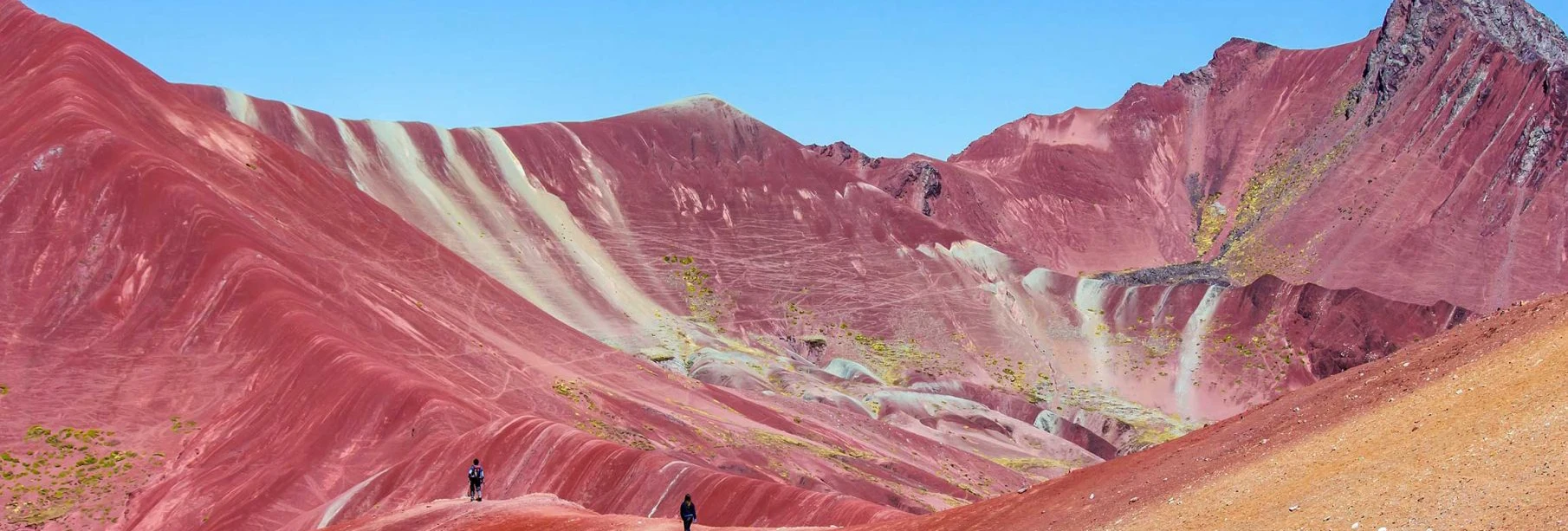
- Ascending Gradually: From the Sacred Valley, you board your luxury train to Machu Picchu—which sits even lower at 2,430 meters (7,972 feet)—before finally returning to Cusco on Day 4 or 5 fully acclimatized and ready for Lake Titicaca or high-altitude treks like Rainbow Mountain.
The Premium Hotel Advantage: Oxygen-Enriched Suites
Luxury travel in Peru offers technological solutions that transform high-altitude rest. After acclimatizing in our 5-star Sacred Valley luxury resorts, our handpicked partner properties in Cusco—such as Belmond Hotel Monasterio, Belmond Palacio Nazarenas, and Palacio del Inka—provide an extraordinary amenity: oxygen-enriched suites.
These suites diffuse purified supplementary oxygen directly into your bedroom, simulating a lower elevation of approximately 2,400 meters (8,000 feet). This ensures deep, uninterrupted sleep, allowing you to wake up refreshed. In addition, our private vehicles carry portable supplemental oxygen tanks and pulse oximeters on every Andean excursion.
Essential Medical & Dietary Tips for Your First 48 Hours
While our routing does the heavy lifting, following these four golden habits during your first 48 hours in the Andes guarantees a smooth transition:
1. Hydration is Paramount
High-altitude mountain air is crisp and dry, accelerating moisture loss through respiration. Aim to drink 3 to 4 liters of purified still water and herbal infusions daily, starting the day before you fly from Lima to Cusco.
2. Embrace Ancestral Remedies: Muña & Coca Leaf Tea
Upon arrival at your hotel, you will be welcomed with a warm cup of Mate de Coca (organic coca leaf tea) or Muña (Andean highland mint). Used for centuries across the Andes, muña and coca infusions gently soothe digestion and support high-altitude comfort.
3. Dine Lightly on Your First Evening
At high elevations, digestion naturally slows down. On your first day in the Andes, avoid heavy red meats and alcohol, opting instead for comforting, easily digestible Andean cuisine such as organic quinoa soup,grilled river trout, or roasted Sacred Valley vegetables.
4. Consult Your Physician Regarding Preventative Medication
Many travelers appreciate arriving with preventative medication prescribed by their personal physician, such as Acetazolamide (commonly known as Diamox), which begins 24 hours prior to ascending and speeds up natural bicarbonate adaptation.
Recognizing Mild Adjustment Symptoms
It is normal to feel slightly breathless when walking up stone steps during your first afternoon. Mild symptoms of adjustment—such as a light headache or reduced appetite—typically subside within 12 to 24 hours when resting in the Sacred Valley.
Design a Worry-Free Andean Itinerary
Never let altitude concerns hold back your travel dreams. Let our specialists craft a bespoke "Sacred Valley First" itinerary complete with oxygen-enriched 5-star suites.
Peru Altitude Sickness & Acclimatization FAQ
What are the elevations of Cusco, the Sacred Valley, and Machu Picchu?
Machu Picchu sits at the lowest elevation at 2,430 meters (7,972 feet), followed by the Sacred Valley of the Incas at approximately 2,792 to 2,870 meters (9,160 to 9,416 feet), while historic Cusco City sits higher at 3,399 meters (11,152 feet). Descending immediately to the Sacred Valley upon landing in Cusco is the most effective natural way to prevent altitude sickness.
How do oxygen-enriched hotel rooms in Cusco work?
Select 5-star luxury hotels in Cusco—including Belmond Hotel Monasterio, Belmond Palacio Nazarenas, and Palacio del Inka—feature an oxygenation system that gently diffuses purified oxygen into your suite, reducing the effective altitude from 11,152 feet down to approximately 8,000 feet for deep, restorative sleep.
What should we eat and drink during our first 24 hours in the Andes?
Drink 3 to 4 liters of water daily, enjoy warm infusions of ancestral Muña (Andean mint) or Coca leaf tea, avoid alcohol and heavy red meats on your first evening, and opt for light, easily digestible Andean dishes such as quinoa soup or fresh river trout.